Lovette spent 10 years studying in England, earning degrees in law, property, and
psychology—disciplines that equipped her to understand how systems are built, how power
is distributed, and how institutions justify exclusion. That academic distance from
Sweden’s silence allowed her to develop a critical lens on systemic racism and
structural inequality. Those years built research rigor, legal analysis skills, and
community networks that shaped how she understands whiteness, institutional design, and
the mechanisms of systemic exclusion. Today, her research focuses on neurodivergence in
workplace systems, examining how organizations design for neurotypical performance while
marginalizing ADHD and autistic employees.
Returning to Sweden, she worked in corporate real estate and property management—first at
Jones Lang LaSalle, then at CBRE Stockholm. She watched competent Black colleagues get
overlooked for promotions, saw neurodivergent employees marginalized or dismissed, and
witnessed how organizations publicly claim commitment to diversity while designing
recruitment, performance reviews, and leadership pipelines that exclude. She also
learned what happens when you speak truth publicly about human rights: retaliation,
professional isolation, career consequences. But she learned what happens when you
don’t: structural racism and ableism continue unchecked, and institutions claim
ignorance while profiting from exclusion.
In 2017, when CNN exposed African migrants being sold as slaves in Libya, Lovette
organized one of Sweden’s largest anti-trafficking protests. With minimal budget and no
prior organizing experience, she mobilized over 10,000 people in Stockholm and
coordinated simultaneous demonstrations in Uppsala, Jönköping, Malmö, Göteborg, Örebro,
and Linköping. She navigated police bureaucracy, secured permits, borrowed generators,
and created a moment Sweden couldn’t ignore. That protest became Action for Humanity—her
Black-led nonprofit delivering emergency aid, repatriation support, and anti-racism
advocacy across Sweden, Africa, and the Middle East.
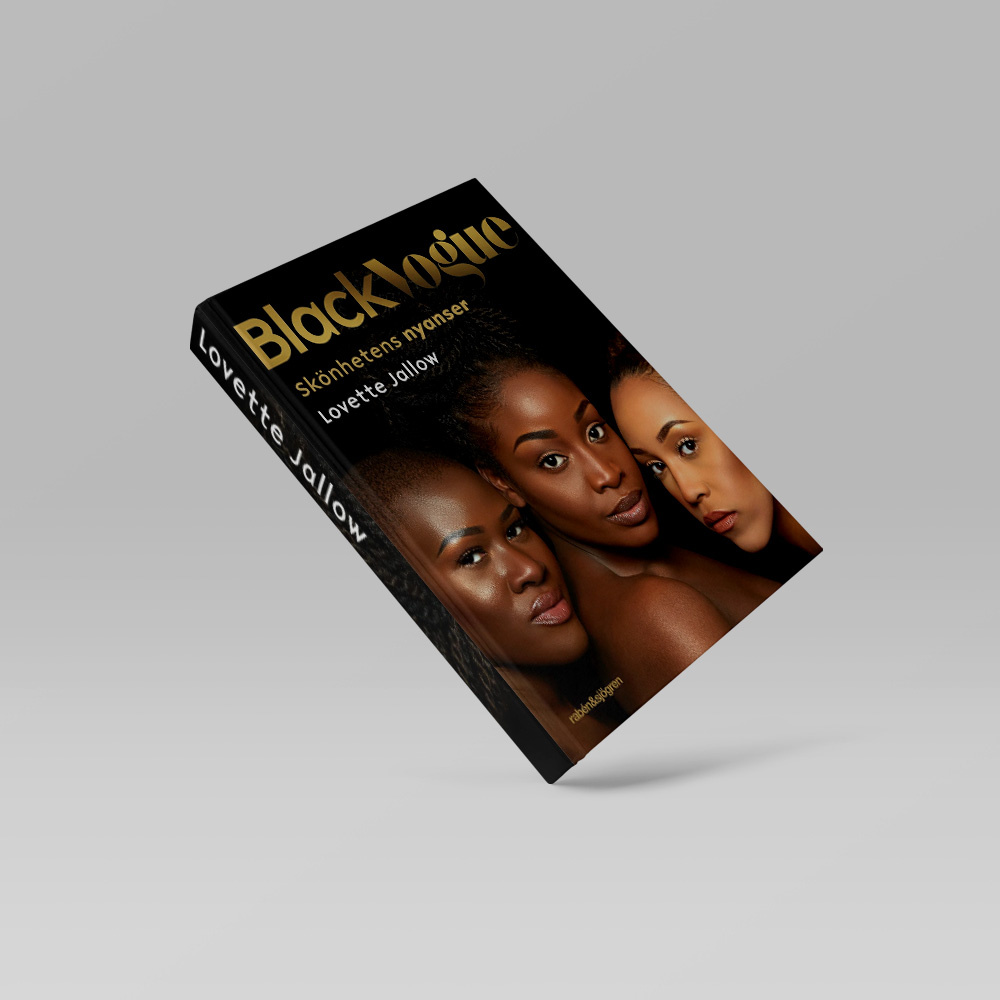
Her 2016 book Black Vogue created Europe’s first beauty manual for Black women—a direct
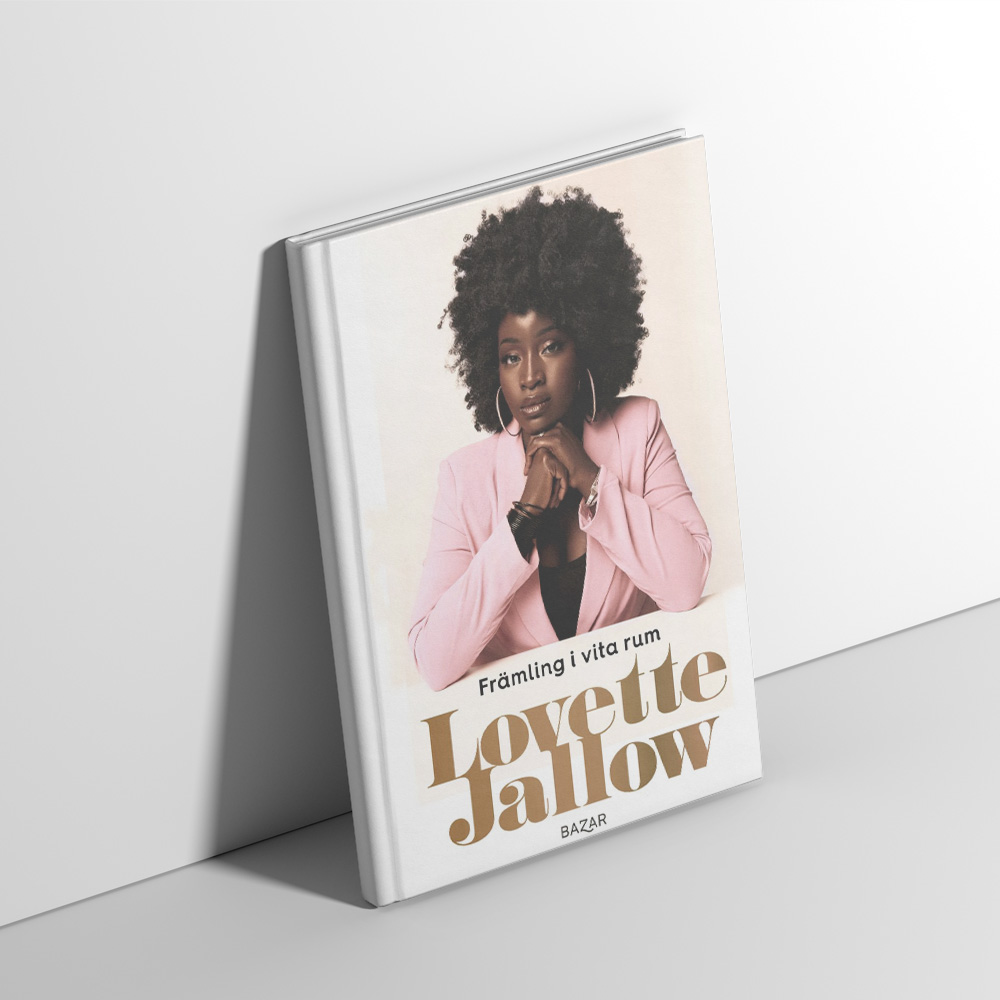
answer to an industry designed around white beauty standards and colorism. Her 2020 book
Främling i Vita Rum (Stranger in White Spaces) exposes how whiteness operates in Swedish
healthcare, education, and public life. It’s now used by schools, NGOs, and policymakers
across Scandinavia for anti-racism training and institutional reform. Her 2018 TED Talk,
Normalizing Silence in Swedish Society, reached millions and sparked international
conversations about whose voice gets heard and whose is silenced.